Black Tea at Home: 5 Rules for a Clear, Steady Cup
Five practical rules for brewing black tea at home — clear, steady, and easy to repeat.
black tea — çay — is the most consumed beverage in the region per capita, which means it has been prepared incorrectly approximately as often as it has been prepared correctly. The rituals surrounding it are ancient and precise; the chemistry behind them is both elegant and demanding. Getting it right requires understanding five non-negotiable principles that experienced tea drinkers have refined over generations.
Rule One: Water Quality Is the Foundation
Water is not merely the vehicle for tea flavour — it is an active participant in the chemistry of infusion. Hard water, high in calcium and magnesium carbonate, suppresses the solubility of the polyphenols and tannins responsible for tea's characteristic brightness and depth, resulting in a flat, slightly cloudy brew. The tradition in many traditional households of using spring water or filtered tap water for tea is not fastidiousness — it is sensible chemistry. Purified water with a moderate mineral content (TDS of 75 to 150 mg/L is the generally accepted sweet spot for tea brewing) produces a cup that is visibly clearer and noticeably more vibrant.

Rule Two: The Vessel — Porcelain Above All
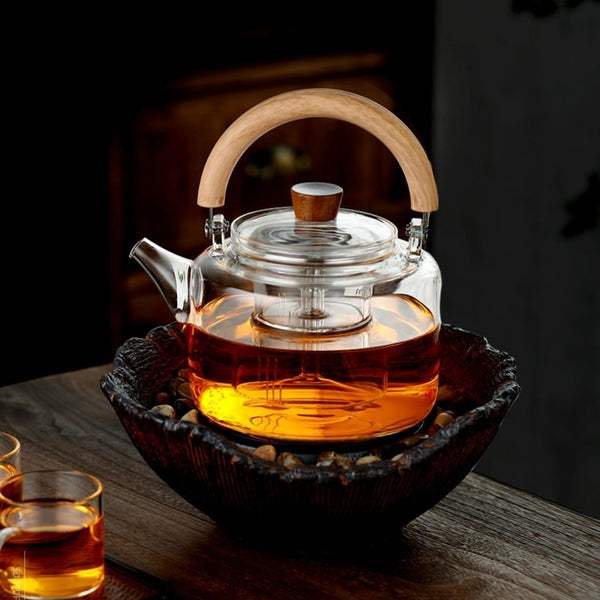
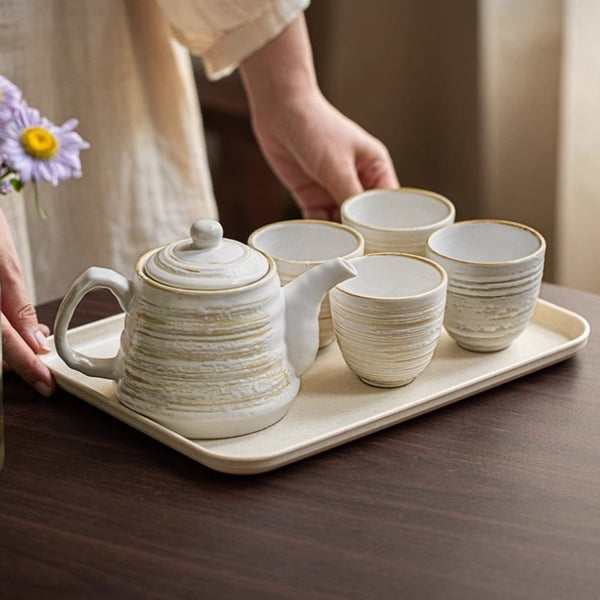
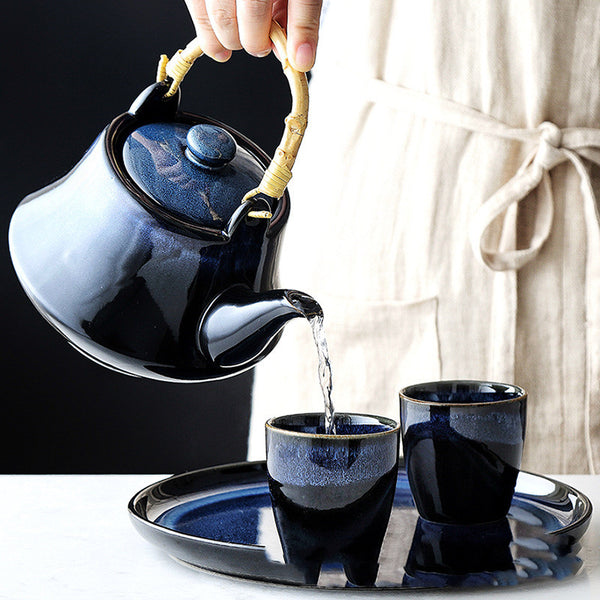
The traditional traditional çaydanlık is a two-tiered stacked teapot: a larger lower vessel that heats water to a rolling boil, and a smaller upper teapot where the dry tea leaves steep in gentler, direct steam from below. The material of the upper teapot is not incidental. Porcelain distributes heat with exceptional evenness, avoiding the hot and cold spots that develop in thinner stainless steel. Even heat distribution means that all the tea leaves steep at the same rate — a variable that has a measurable effect on the final cup's balance of brightness, tannin, and sweetness.
Unglazed clay (toprak testi) is another traditional alternative that imparts an almost imperceptible mineral note to the brew, prized in certain regional traditions but less controllable for home use. The porcelain teapot represents the reliable, consistent choice — the brewer's equivalent of a calibrated scale over an estimate by eye.

Temperature Management in the Two-Stage System
The water in the lower vessel should reach a vigorous, rolling boil. The steam that rises into the upper vessel does not boil the tea — it keeps it at a sustained temperature of approximately 90 to 95°C, which is the precise range at which black tea polyphenols extract optimally without releasing the harsh bitterness that brewing at full boil produces. This passive temperature-regulation mechanism is one of the most ingenious features of the çaydanlık design, effectively automating the variable that causes most Western tea brewing errors.
Rule Three: The Steeping Time — Fifteen to Twenty Minutes Is Not Negotiable
The steeping duration for black tea is conspicuously longer than Western brewing conventions. A black tea bag in a Western mug brews for three to five minutes; the same mass of loose-leaf tea in a çaydanlık upper pot steeps for fifteen to twenty minutes. The distinction is not personal preference — it reflects the fundamentally different extraction mechanism. Bag tea is ground to fine particles that extract quickly; traditional loose-leaf tea is coarser and relies on prolonged, low-pressure steam infusion rather than rapid high-surface-area contact with boiling water.

"Rushing the steep is the most common and most fatal error. Fifteen minutes is when the tea becomes itself. Twelve minutes is when it is still becoming."
Rule Four: The Glass — Slim-Waisted and Clear
The traditional tulip-shaped glass (ince belli bardak — literally "thin-waisted glass") is not nostalgic kitsch. Its narrow waist concentrates the tea's aroma at the point closest to the drinker's nose as they lift the glass. The clear borosilicate glass allows visual assessment of the tea's colour — the traditional target is a deep amber-ruby with the clarity of a garnet held to light, achieved by adjusting the ratio of concentrated tea (from the upper pot) to plain hot water (from the lower) in the glass. This ratio adjustment is the tea equivalent of espresso dilution, and experienced tea drinkers calibrate it instinctively to personal preference.
Rule Five: Presentation and the Social Context
black tea is never served in isolation. It arrives on a small saucer, often with two or three sugar cubes — not stirred in but held between the teeth as the tea passes over them, a technique called kıtlama, which modulates sweetness with each sip rather than diluting the cup uniformly. This detail captures something essential about the whole tradition: çay is not a caffeine delivery mechanism. It is a material framework for hospitality, conversation, and the particular quality of attention that comes from sharing something small and warm with another person.
Mastering black tea does not require exotic equipment. It requires the right vessel, clean water, patience for the steep, and the willingness to treat a daily brew habit as a small act of craft rather than a convenience. The five rules exist not to restrict pleasure but to guarantee it, every single time.