The Aperitivo Hour: Building an Italian Pre-Dinner Ritual
Understanding the rhythm, bitterness, and ritual of Italy's pre-dinner tradition.
Aperitivo is not a cocktail hour transplanted to Italy. It is a structured interlude, a social deceleration that unfolds between the end of the working day and the beginning of dinner. The tradition rests on bitter spirits, measured effervescence, and small, savoury accompaniments that stimulate appetite rather than satisfy it.
The Timing and Tempo
Aperitivo occupies a fixed window: typically between 18:00 and 20:30. The ritual emerged in Turin in the late eighteenth century, when Antonio Benedetto Carpano created the first commercial vermouth in 1786. By the mid-nineteenth century, the practice had spread across northern Italy, formalising into a daily pause that separated labour from leisure.
The duration matters. Aperitivo is not rushed. One drink, occasionally two, consumed over sixty to ninety minutes. The tempo is conversational. Glasses are refilled slowly. The objective is not intoxication but transition, a gentle calibration of the senses before the evening meal.
The Architecture of Bitterness
Bitterness defines aperitivo. The tradition draws on amari—bitter liqueurs infused with botanicals, roots, and citrus peel. Campari, created in Novara in 1860, remains the archetype: a vivid crimson spirit built on bitter orange, rhubarb, and gentian root. Aperol, formulated in Padua in 1919, offers a softer profile with lower alcohol content (11% compared to Campari's 25%) and pronounced notes of sweet orange and herbal complexity.
Vermouth—aromatised, fortified wine—underpins many classic serves. Dry white vermouths from Piedmont, such as those produced in Canelli and Torino, carry alpine botanicals: wormwood, chamomile, coriander. Red vermouths add caramelised sugar and vanilla. Both styles stimulate saliva production and gastric secretion, priming the digestive system for the meal ahead.
The Spritz: Proportions and Glassware
The Venetian spritz has become the international emblem of aperitivo, yet its structure is precise. The canonical ratio is three parts prosecco, two parts bitter liqueur, one part sparkling water. This yields a drink of approximately 8-9% alcohol by volume—low enough to permit extended sipping without fatigue.
Glassware shapes the experience. The spritz is served in a large wine glass, never a tumbler. The wide bowl accommodates ice, citrus, and effervescence; the stem keeps the hand away from the liquid, preserving chill. A single large ice cube or sphere melts more slowly than crushed ice, reducing dilution. The garnish—a wheel or half-moon of orange for Aperol, a green olive for a Venetian-style spritz with Select—adds aroma and a visual cue to the drink's flavour profile.
Beyond the Spritz: Other Canonical Serves
The Negroni, equal parts gin, Campari, and red vermouth, originated in Florence in 1919 when Count Camillo Negroni requested a stronger variation of the Americano. Its 24% alcohol content places it at the upper limit of aperitivo drinking; it is sipped slowly, often over a single large ice sphere in a rocks glass.
The Americano—Campari, red vermouth, soda water—predates the Negroni and offers a lighter, longer serve. The Negroni Sbagliato ("mistaken Negroni") substitutes prosecco for gin, creating a drink closer in strength to the spritz. In Piedmont, vermouth is often served neat over ice with a twist of lemon or a strip of orange peel, allowing the botanical complexity to speak without distraction.
The Role of Food
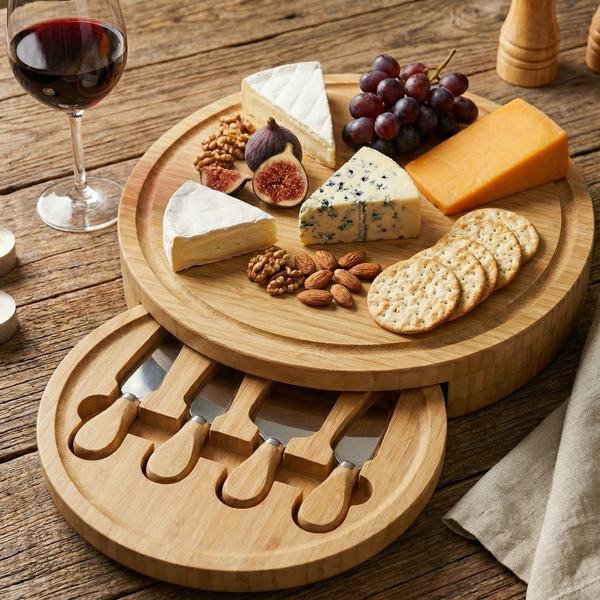
Aperitivo bites—stuzzichini—are small, salty, and fat-forward. They are not canapés or hors d'œuvres designed to impress. They are functional: olives, salted almonds, thin slices of salami or mortadella, cubes of Parmigiano-Reggiano aged thirty months or more. In Milan, aperitivo has expanded into apericena—a portmanteau of aperitivo and cena (dinner)—where bars offer more substantial spreads. Purists argue this distorts the tradition; aperitivo should whet appetite, not replace the evening meal.
Crackers and breadsticks (grissini) are common, particularly the hand-rolled varieties from Turin, which can reach thirty centimetres in length and carry a faint sweetness from malt. Fried or marinated vegetables—zucchini, aubergine, sweet peppers—appear in summer. The food is always served at room temperature or chilled, never hot.
Building the Ritual at Home
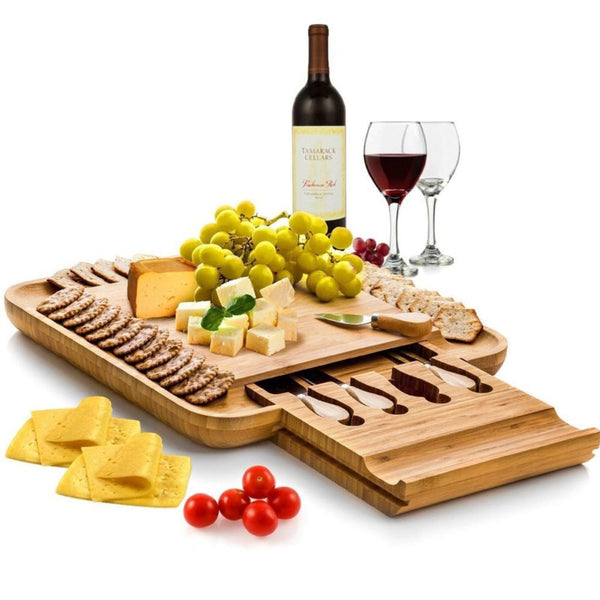
Establishing aperitivo at home requires little equipment but benefits from consistency. A glass carafe for pre-mixing or serving water. Stemmed wine glasses with a capacity of 250-300 millilitres. A channel knife or Y-peeler for citrus peel. A small wooden board for olives and charcuterie.
Stock a dry white vermouth and a bitter liqueur. Keep prosecco chilled, and use a true prosecco DOC from the Veneto or Friuli, not a generic sparkling wine; the minerality and restrained sweetness matter. Invest in large ice moulds. Freeze filtered water to avoid cloudiness.
Set a consistent time. Aperitivo is ritual, not impulse. It asks for regularity, for a pause that is anticipated and protected. Pour the drink, set out the olives, and let the hour expand. This is the logic of aperitivo: not to accelerate pleasure, but to give it room.