Aged Italian Salami: A Regional Map of Fat, Cure, and Climate
From the fennel-scented hills of Tuscany to the spiced air of Campania, Italy's cured salamis tell a story written in fat, climate, and time.
Every Italian salami is a record of its birthplace. The grind, the fat ratio, the spices, the curve of the casing—each detail reflects the pig breed, the local climate, and centuries of refinement. What may look like simple cured meat is, in fact, a regional dialect spoken in pork, salt, and patience.
Milano: The Northern Standard
Salame Milano emerged from Lombardy's cool, humid Po Valley, where slower fermentation and extended ageing became the norm. The grind is fine, almost smooth to the eye, and the fat is diced into small, uniform grains that melt evenly on the tongue. The fat-to-lean ratio sits around 25 to 30 per cent, lending a delicate, creamy mouthfeel without heaviness.
Traditionally made with pork from large white breeds, Milano is seasoned sparingly: salt, white pepper, sometimes garlic, occasionally a whisper of wine. The flavour is clean, lactic, and gently funky—a result of natural fermentation at temperatures between 12 and 16 degrees Celsius. Ageing lasts a minimum of six weeks, often longer for larger diameters. The result is a salami that slices thin, sits flat, and pairs well with butter and bread.
Napoli: Heat, Spice, and Southern Character
In Campania, where temperatures climb and humidity drops, salame Napoli takes a different path. The grind is coarser, the fat more visible, often cut into larger cubes that create a mosaic pattern in cross-section. The fat ratio rises to 30 to 35 per cent, necessary to prevent the meat from drying too quickly in the warmer southern air.
Black pepper and red chilli are hallmarks, sometimes joined by paprika or wild fennel seed. The cure is more assertive, the fermentation faster. Napoli salami develops a firmer texture and a bolder, more piquant flavour. It is less about subtlety and more about presence—suited to the Campanian table, where strong flavours are expected and embraced.
Finocchiona: Fennel and the Tuscan Hills
Finocchiona comes from Tuscany, where fennel grows wild and was historically cheaper than black pepper. The name derives from finocchio, Italian for fennel, and the spice defines the salami's personality. The grind is medium to coarse, and the fat content hovers around 25 per cent, creating a tender, yielding texture.
Traditional finocchiona is large—often 10 to 12 centimetres in diameter—and aged in cool cellars for two to four months. The fennel seed lends a sweet, anise-like aroma that balances the richness of the pork. Some producers add wine, particularly Chianti, which contributes acidity and tannin. The result is a salami that feels unmistakably rustic, perfumed, and tied to the Tuscan landscape.
Soppressata: Pressed, Coarse, and Variable
Soppressata—meaning "pressed"—refers to a family of salamis found across southern and central Italy, each with its own local variation. The defining characteristic is the coarse grind and the irregular, hand-cut pieces of fat and lean. In Calabria, soppressata is often spiced with hot chilli and fennel; in Basilicata, it may include sweet pepper. In Veneto and Friuli, the style is milder, with wine and garlic.
The casing is typically wider and flatter than Milano or Napoli, sometimes pressed during the early stages of curing to expel air and create a denser structure. Fat content ranges from 20 to 30 per cent depending on the region. Ageing varies from four weeks to several months. What unites all soppressata is texture: chunky, toothsome, with pockets of fat that provide bursts of richness.
The Role of Climate in Fermentation and Cure
Italy's varied geography has always dictated its salami. In the north, cool temperatures and high humidity allow for slow, controlled fermentation. Lactic acid bacteria develop gradually, lowering pH and creating the characteristic tang without overpowering the pork. Moulds colonise the casing, forming a protective white bloom that regulates moisture loss.
In the south, warmth accelerates fermentation and increases the risk of spoilage. To compensate, southern salamis are often fattier, more heavily spiced, and salted more generously. The faster cure produces a firmer, drier texture and a more pronounced flavour. These are not flaws—they are adaptations, shaped by necessity and perfected over generations.
How to Slice and Serve
Slicing matters. A knife dulled by tomatoes or bread will tear the casing and smear the fat. Use a long, thin-bladed knife with a sharp edge, or a manual slicer if volume demands it. For Milano and similarly fine salamis, aim for slices between 2 and 3 millimetres—thin enough to drape but thick enough to hold structure. Coarser styles like soppressata and finocchiona can be cut slightly thicker, around 3 to 4 millimetres, to showcase the texture.
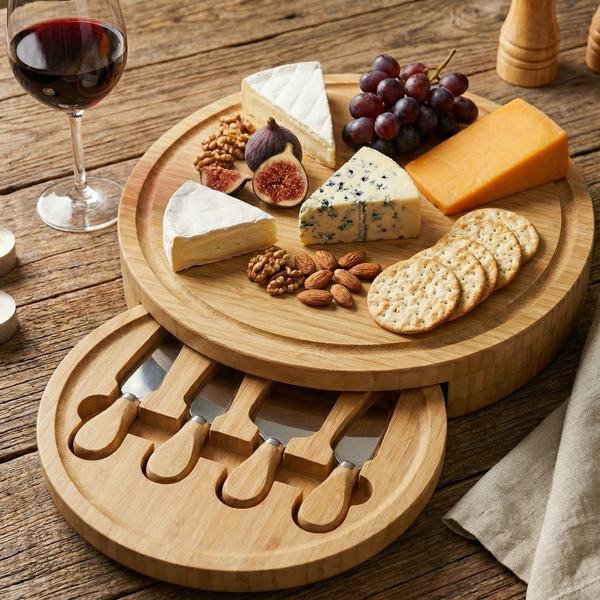
Remove salami from refrigeration 20 to 30 minutes before serving. Cold fat is waxy and mute; at room temperature, it softens and releases aroma. Arrange slices flat on a board or plate, slightly overlapping. Pair with bread that does not compete—sourdough, ciabatta, or plain wheat crackers. Avoid sweet condiments; a thread of olive oil, a few cornichons, or a scatter of rocket is enough.
Choosing and Storing
Look for salami labelled with a regional designation: Salame di Milano IGP, Soppressata di Calabria DOP, Finocchiona Toscana IGP. These marks guarantee adherence to traditional methods and geographic origin. Avoid products listing dextrose, sodium erythorbate, or celery powder in the first five ingredients—these often indicate industrial shortcuts.
Whole salamis keep best. Once cut, wrap the exposed end tightly in beeswax paper or cloth, then refrigerate. Consume within three weeks. If white mould appears on the casing, wipe it with a cloth dampened in vinegar and water. Green or black mould, or any off smell, means discard it. In a well-equipped kitchen—like those outfitted by Wudy—salami becomes a staple, not a special occasion, and its care becomes second nature.